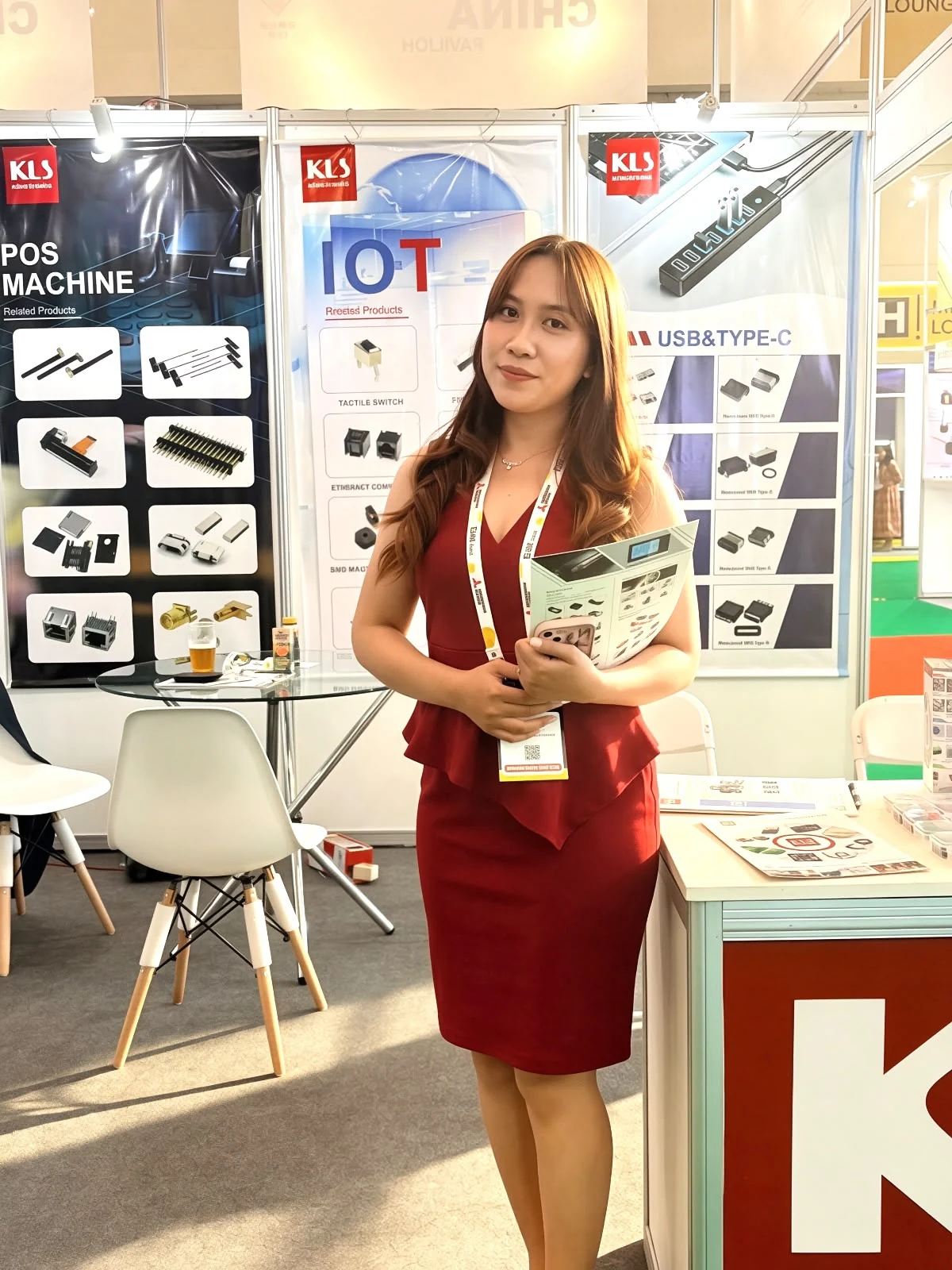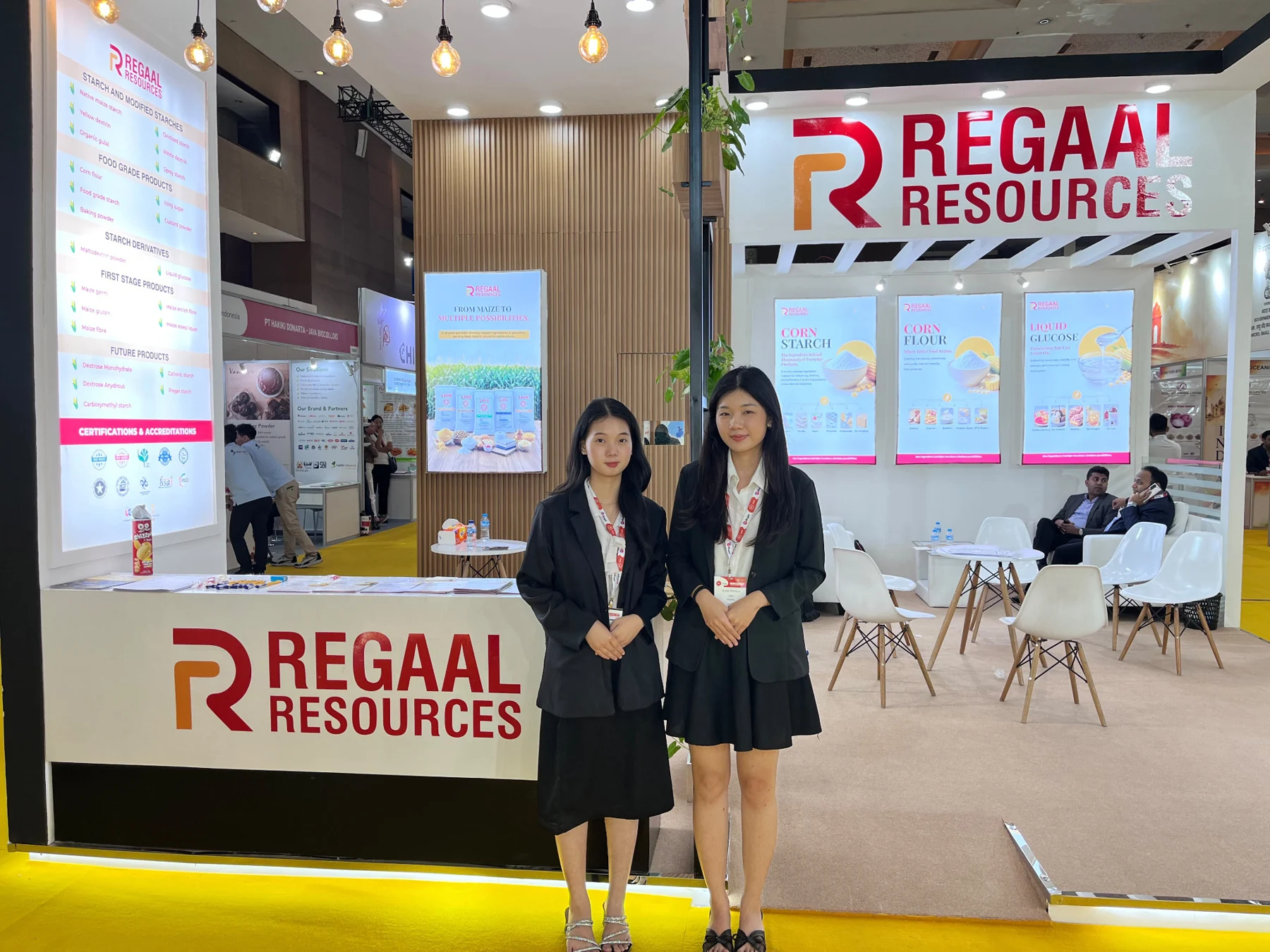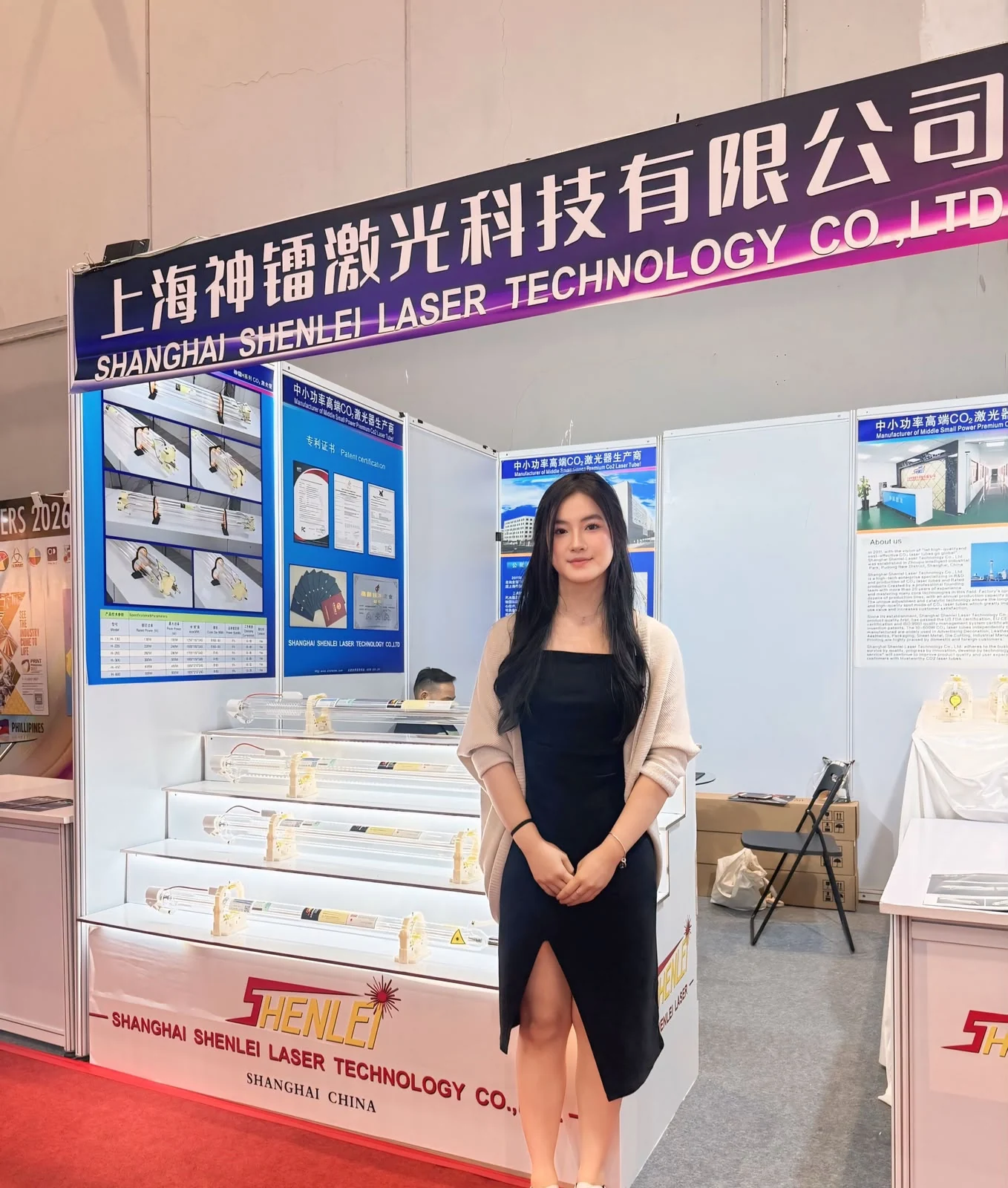
Event MC and presenter services should match the programme's purpose, audience, and content. An MC connects programme segments, while a presenter may focus on product explanations or demonstrations. The roles can overlap, but their responsibilities should be clear before you select talent.
1. Separate programme hosting from product presentation
A product launch may need a host to open the programme, introduce speakers, manage transitions, and close sessions. Explaining features or conducting demonstrations may require someone who understands the product's operating sequence. Decide whether one person performs both roles or shares them with the brand team.
At exhibitions, booth presenters may deliver short sessions repeatedly throughout the day. At corporate seminars, an MC follows a formal atmosphere and speaker order. Do not use one job description for both formats without explaining duration, frequency, and the expected level of involvement.
2. Match communication style to the audience
Explain whether the event is formal, relaxed, educational, or focused on visitor interaction. Include the audience profile, main language, brand character, and limits on humour and improvisation. Welcoming internal seminar participants differs from inviting visitors to a demonstration in a busy exhibition hall.
When reviewing portfolios, look for delivery examples similar to your event format. For bilingual requirements, specify the language pair and programme segments involved. Delivering a script in two languages is not automatically equivalent to interpreting a live technical discussion.
3. Prepare a programme schedule and reliable reference materials
The running order should list times, segment names, durations, speakers, technical cues, and the person giving directions. Include names, titles, pronunciations, and required wording. Clearly mark information that cannot yet be announced and specify when it may be shared.
For a product launch, provide key messages, approved specifications, and the demonstration sequence. Define limits on claims and questions that must go to technical staff. A script need not eliminate spontaneity; it provides a basis for improvisation that remains accurate and consistent with the brand.
4. Discuss rehearsals, stage cues, and schedule changes
Confirm whether rehearsal is needed before the event day or before the programme starts. Check microphones, standing positions, slide sequences, speaker entrances, and playback timing. Identify who signals the start, extends a segment, or ends a session when required.
Plan for late speakers, demonstrations that are not ready, or changes to question-and-answer time. Agree approved filler segments and information that may be repeated. Communicate programme adjustments through one contact so the MC does not receive conflicting instructions from several people.
5. Separate bilingual hosting from interpretation
If foreign guests attend, decide whether the requirement is simply announcements in two languages or support for more detailed conversations. For business information, technical discussions, or interpreted sessions, explain the format and terminology to the talent provider.
Prepare translated materials, a product glossary, and speaker names early. Do not assume the MC can handle every guest conversation while hosting the stage. If separate roles are needed, connect their assignments through the same running order and contact so transitions remain clear.
6. Checklist before booking an MC or presenter
What affects an event MC quotation? Discuss format, programme length, languages, material preparation, rehearsal, location, and schedule. Confirm what is included and who supplies technical equipment. A quotation should be checked against the brief rather than assumptions based on a package name.
Does the MC write the entire script? Arrangements vary. Agree whether the client supplies the script, the talent helps refine delivery, or additional writing is commissioned. Product information and approval of claims still require guidance from the brand.
- Event format, audience, languages, communication style, and duration.
- Running order, speaker names, script, and key brand messages.
- Product materials, demonstration steps, improvisation limits, and FAQs.
- Rehearsal schedule, technical cues, responsible contact, and equipment.
Related services and guides
Share your event date, venue, staffing needs, and scope with Lumi Agency.
Discuss your event