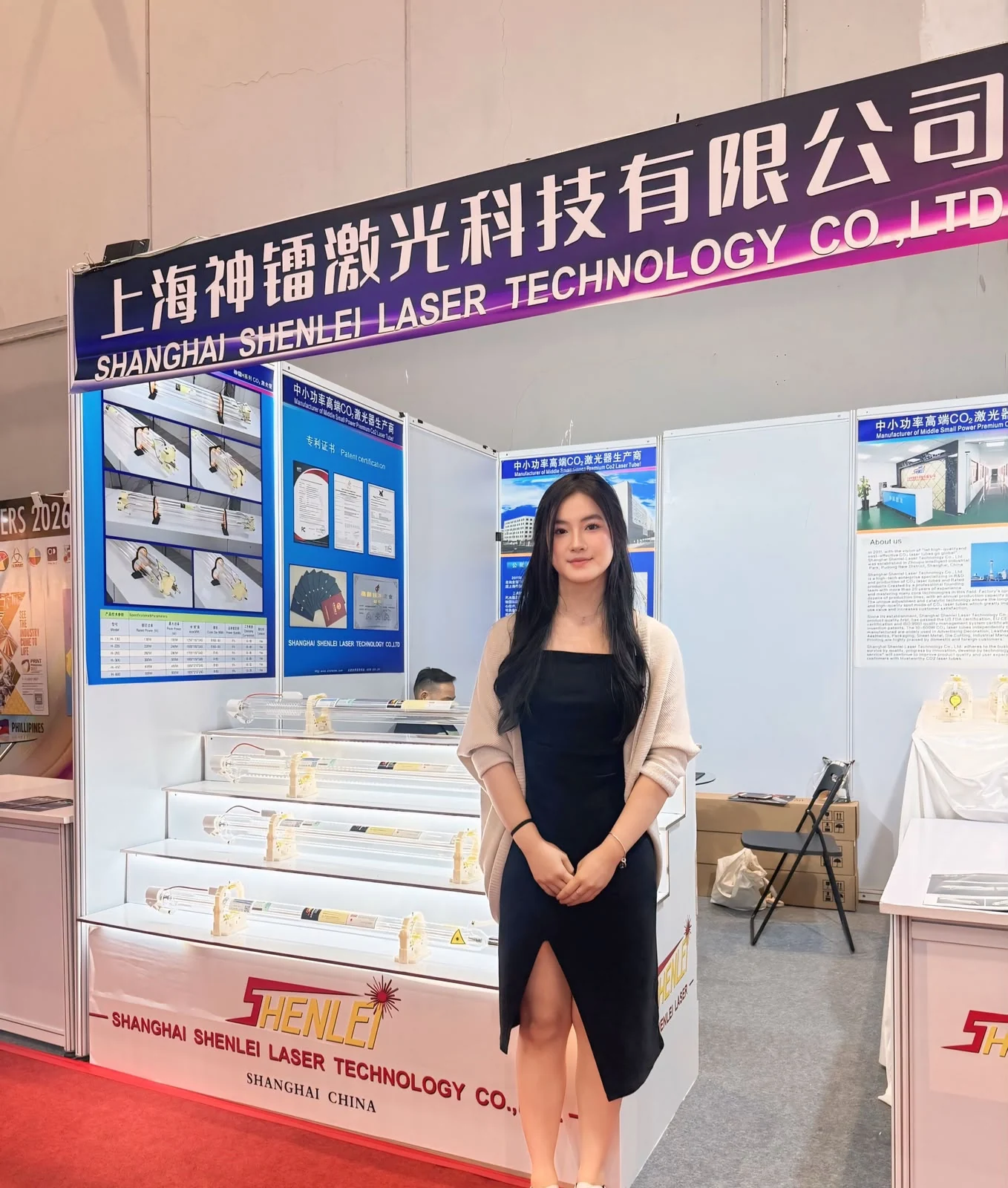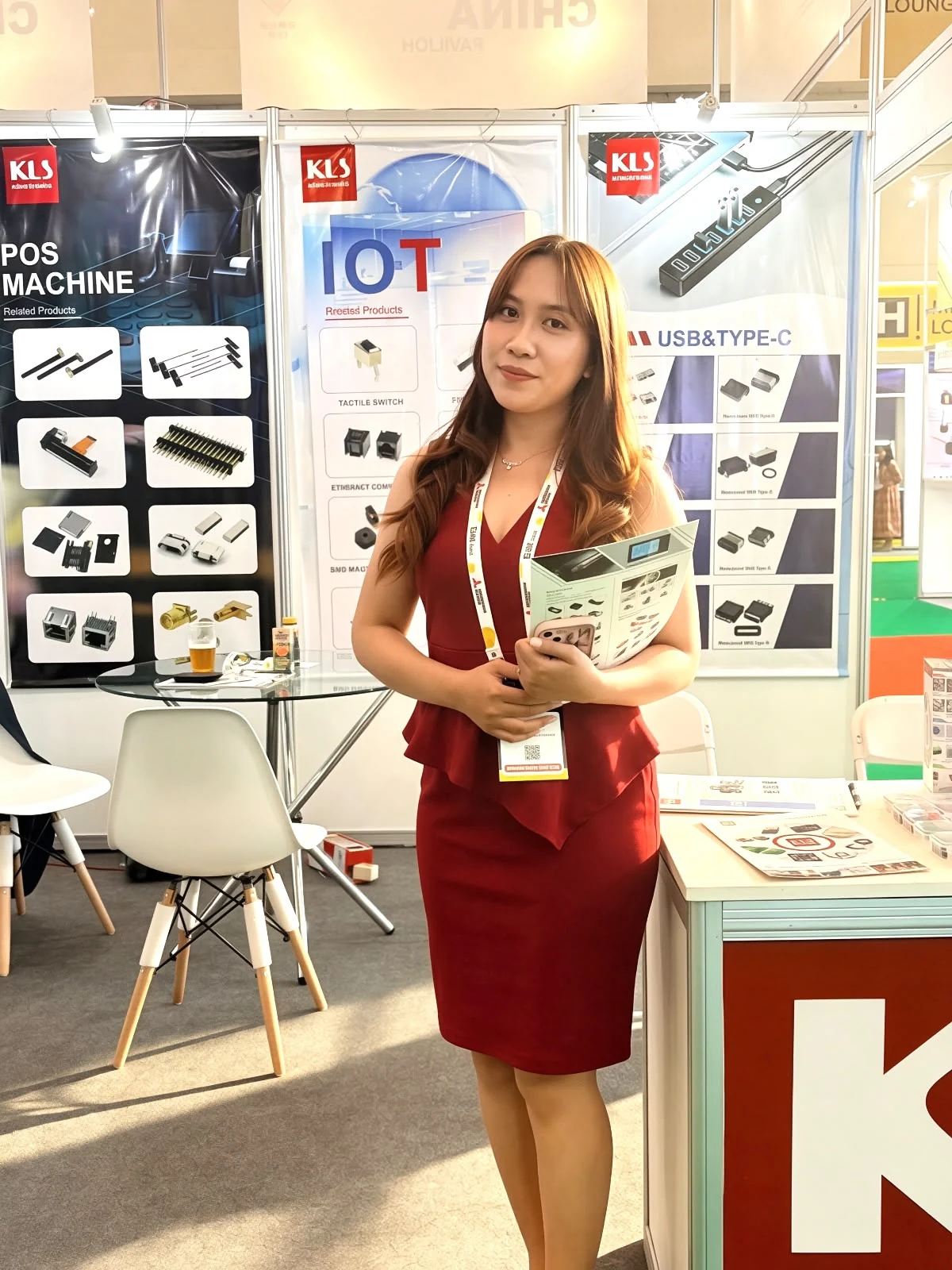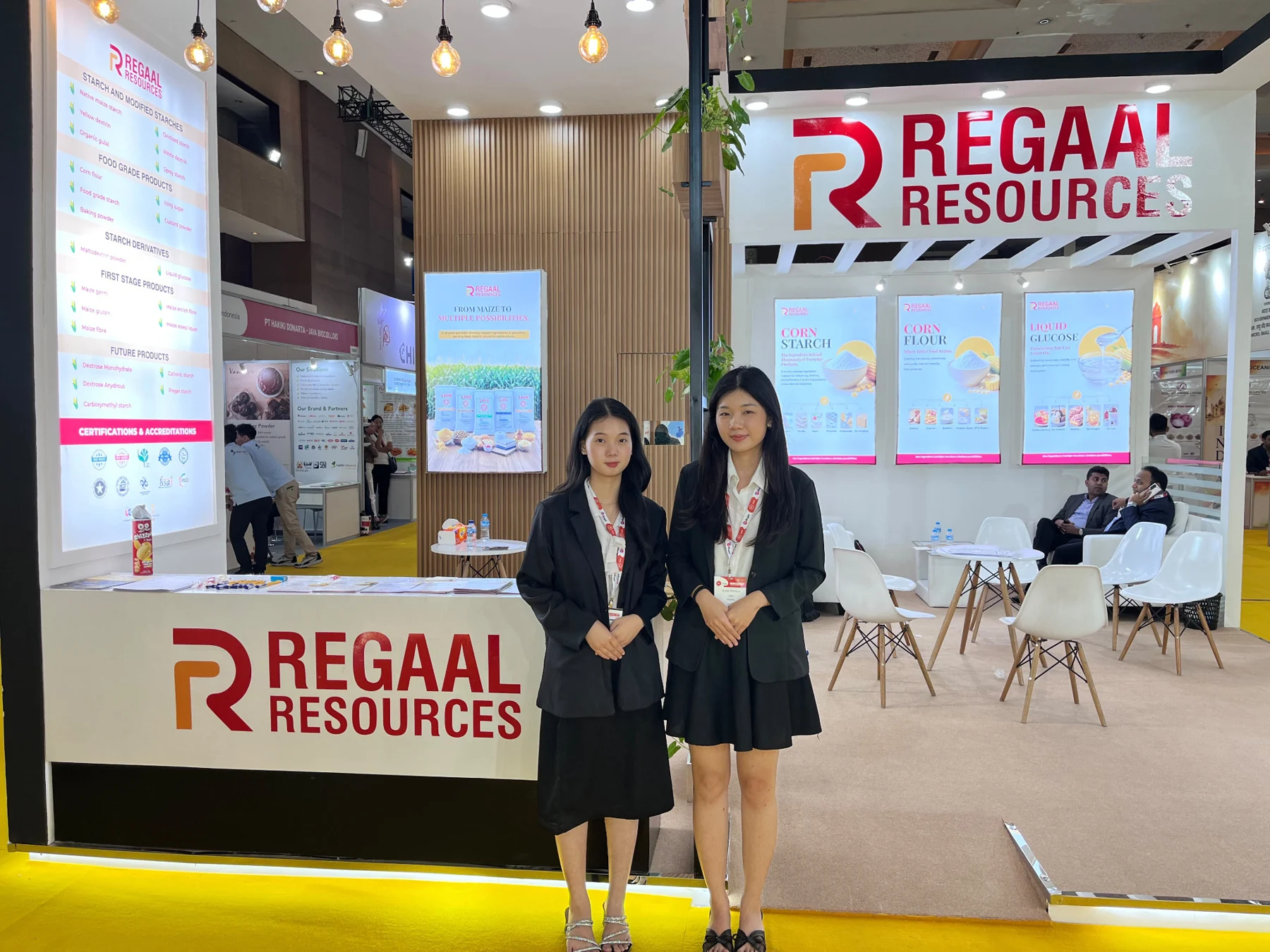
An event team leader, or TL, helps coordinate personnel within an agreed scope. When promotional staff, ushers, and support teams work at several points, they need a clear channel for instructions. This guide explains responsibilities to discuss when arranging a coordinator for an exhibition or corporate event.
1. Define the team leader's responsibilities from the start
The term team leader does not automatically cover every event decision. State whether the TL coordinates attendance, positions, briefings, communication with the client contact, and daily reporting. Identify the responsibilities that remain with the organizer, sales team, venue, or production team.
Separate talent coordination from show direction, technical supervision, and security decisions. If an issue arises at the booth, the TL needs to know who can approve changes to tasks, locations, working hours, or additional requirements. Clear authority helps the team obtain decisions without conflicting instructions.
2. Prepare the personnel list and pre-event briefing
Provide the TL with assignments, arrival times, meeting points, venue access rules, contact details, and a summary of the brand's requirements. Check staffing numbers against the approved brief. When plans change, use an updated assignment list as the shared reference.
Briefings should cover duties at each position, current product messages, dress code, visitor flow, and how to request help. At multi-day exhibitions, ensure newly arriving staff receive updates. Informal messages between team members should not be the only source of instructions.
3. Organize work positions and break coverage
Create a clear position map showing who greets visitors, supports demonstrations, receives guests, or handles operational assistance. Identify positions that must remain staffed during breaks. Replacement assignments should take account of the skills and access required in each area.
For example, a registration attendant should not be moved to sampling without a replacement and briefing. The TL can propose adjustments based on site conditions, but changes to main responsibilities or working hours still require discussion with the client contact under the agreement. Coordination does not mean expanding duties without confirmation.
4. Use one communication channel for changes
Define who issues instructions on the client's side and who receives them for the staffing team. Important messages should specify the change, start time, affected area, and approving person. This simple format helps the TL communicate the same instructions to everyone involved.
For delayed access, missing promotional materials, or growing queues, record the issue and required decision briefly. Distinguish operational information from complaints needing specific follow-up. Use devices and communication channels permitted by the event organizer.
5. Align crew support and reporting
Event crew and helpers can support operations within their agreed tasks. Specify who handles light equipment, material distribution, or area assistance. Technical work, particular lifting tasks, and equipment operation should not be assumed to suit every person without discussing capabilities and working conditions.
TL reports should help the client make decisions: attendance, staffing conditions, issues, changed instructions, and follow-up notes. If interactions or prospects are reported, agree how they are recorded. Avoid combining visitor counts, conversations, and transactions because they measure different activities.
6. When should a dedicated TL be discussed?
Consider dedicated coordination when there are several areas, shifts, role types, or frequent instruction changes. No single headcount automatically determines whether every event needs a TL. A small team working through a complex programme can also need a clearly assigned coordinator.
Is a team leader always included in SPG services? It depends on the quotation. Confirm whether a TL is supplied, their assignment hours, the areas covered, and the reports provided. Use the following checklist when discussing requirements with the agency.
- Headcount, work areas, shifts, and briefing schedule.
- TL responsibilities and decisions requiring client approval.
- Position map, break plan, and escalation routes.
- Communication tools, reporting format, and handover procedures.
Related services and guides
Share your event date, venue, staffing needs, and scope with Lumi Agency.
Discuss your event